
Last updated on September 8, 2026
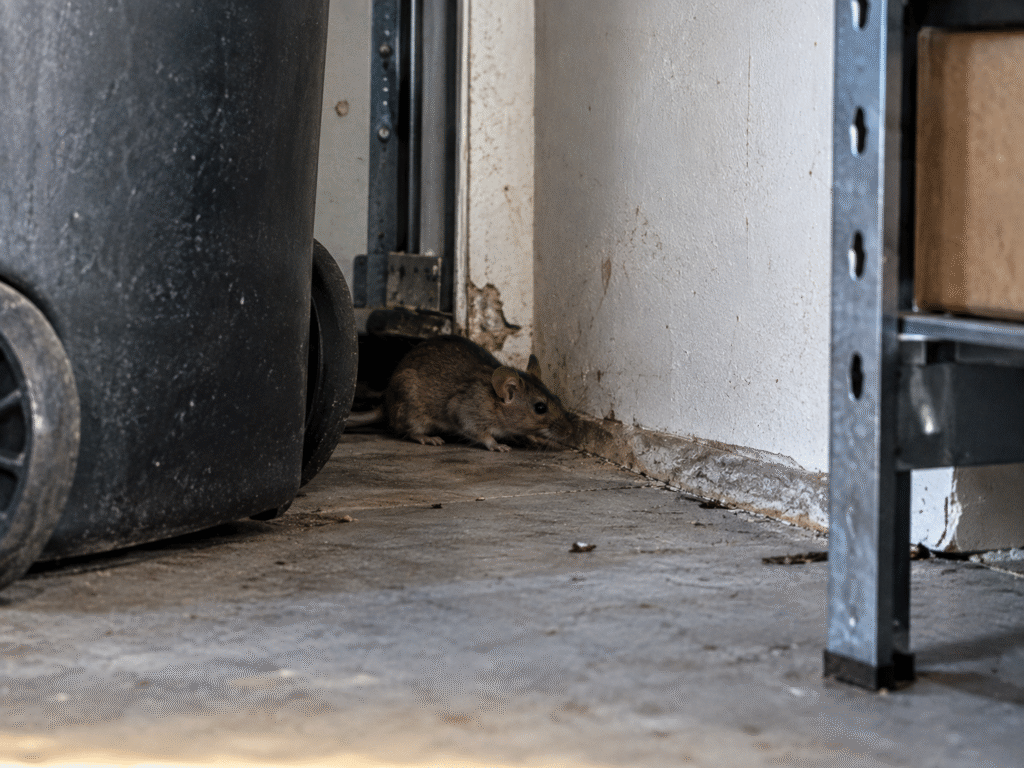
Hearing scratching above the ceiling at night or discovering unexplained droppings in the garage can be unsettling for any homeowner. Rats and mice are skilled at finding shelter in residential properties, and once they gain access, they may settle into spaces that are rarely seen or inspected. Professional rodent control can help St. Augustine homeowners identify signs of activity, locate possible entry points, and develop a plan to address the problem.
Florida’s climate and growing residential areas provide rodents with access to food, water, vegetation, and shelter throughout the year. While seeing a rodent outdoors does not automatically mean there is an infestation, evidence inside or around a home should not be ignored.
Understanding what attracts rodents and how they enter properties is an important part of keeping them from becoming unwanted houseguests.
How Do Rodents Get Inside Florida Homes?
Rodents do not need an open front door to enter a house. Small gaps around a structure can provide enough space for certain rodents to squeeze through.
Potential access points may be found around rooflines, vents, utility penetrations, doors, garages, foundations, plumbing connections, and other openings. Tree branches or vegetation located close to a structure may also provide routes toward roofs and upper areas of a home.
Once rodents discover a protected location with nearby food or water, they may continue returning to it.
This is one reason effective rodent control in St. Augustine, FL should include attention to how rodents are accessing the property rather than focusing exclusively on removing individual animals.
What Are the Warning Signs of Rodent Activity?
Homeowners may never actually see a rat or mouse even when rodents are present. These animals often remain hidden and can become more active when the home is quiet.
Scratching, scurrying, or movement coming from ceilings, walls, or attic spaces can indicate possible activity. Droppings found inside cabinets, garages, storage spaces, pantries, or other areas may also warrant further investigation.
Other signs can include gnaw marks, damaged food packaging, nesting materials, unusual odors, or grease-like marks along areas where rodents repeatedly travel.
Pet behavior can occasionally provide another clue. A dog or cat suddenly becoming intensely interested in a particular wall, cabinet, ceiling, or appliance may be responding to sounds or movement that people cannot easily detect.
Recognizing these signs early gives homeowners an opportunity to investigate before rodents have additional time to settle into the property.
Why Are Rodents Attracted to Residential Properties?
Rodents are primarily looking for the same basic necessities as other animals: food, water, and shelter.
Garbage, pet food, bird seed, pantry products, fallen fruit, outdoor feeding areas, and improperly stored food can provide attractive food sources. Water may be available through leaks, pet bowls, standing water, irrigation systems, or outdoor containers.
Shelter is another major factor. Attics, garages, sheds, wall voids, cluttered storage areas, and spaces beneath structures can provide protected environments where rodents may hide or build nests.
Reducing these resources can be an important component of a long-term rodent control strategy.
Why Should a Rodent Problem Be Addressed Quickly?
Rodents are not simply inconvenient visitors. Their presence can create several concerns for a property.
Rats and mice naturally gnaw on materials as part of maintaining their teeth. When they enter homes, this behavior may involve boxes, insulation, wood, plastic, and other materials. Rodent activity around wiring is particularly concerning because damaged electrical components can create additional property risks.
Rodents may also contaminate areas with urine, droppings, and nesting materials. Food storage locations can become especially problematic if rodents gain access to cabinets or pantries.
Another consideration is reproduction. A problem involving only a small number of rodents can become more difficult to manage if the animals are able to remain undisturbed and establish nesting areas.
Taking action when the first warning signs appear can help prevent a manageable situation from becoming a larger problem.
Is Removing the Rodent Enough?
Catching a rat or mouse can certainly address that individual animal, but it may not explain how the rodent entered the home in the first place.
If an entry point remains open, another animal may eventually use the same route.
Professional rodent control should therefore consider both current activity and potential access points. Identifying gaps and vulnerable areas around the structure can help determine where exclusion measures may be appropriate.
Homeowners can also support prevention by keeping food in secure containers, cleaning spills and crumbs, properly managing garbage, reducing unnecessary clutter, and trimming vegetation when it provides easy access to the structure.
The goal is to make the property less accessible and less attractive to rodents over time.
Why Is Professional Rodent Control Helpful?
Rodents can be difficult to locate because they often travel through hidden areas. Simply placing traps in random locations may not address established travel routes, nesting locations, or structural vulnerabilities.
A professional can inspect the property for evidence of rodent activity and evaluate areas where animals may be entering or traveling.
The specific strategy will depend on the property and the circumstances. Every home is different, which means effective rodent control in St. Augustine should take into account the structure, surrounding environment, location of activity, and potential sources of food or shelter.
Keep Unwanted Rodents Out of Your St. Augustine Home
A quiet attic or garage can provide exactly the type of protected environment rodents are searching for. Unfortunately, homeowners may not realize an animal has moved in until scratching noises, droppings, damaged materials, or other evidence begins appearing.
South Country Pest Control provides professional rodent control in St. Augustine, FL for homeowners dealing with rats, mice, and related concerns. Evaluating the property can help determine where activity is occurring, how rodents may be gaining access, and what steps can be taken to address the situation.
If you have heard unexplained noises at night, discovered droppings, noticed gnaw marks, or suspect rodents may be entering your property, waiting for the problem to disappear on its own may give the animals additional time to become established.
Professional rodent control can help address existing activity while focusing on the conditions that may be allowing rodents to enter in the first place. With the right approach, homeowners can protect their property and make it much harder for unwanted guests to turn their St. Augustine home into their own.


